The right method for every part

From prototype to series production. Not sure which method is right? Send us a drawing and we will help you.

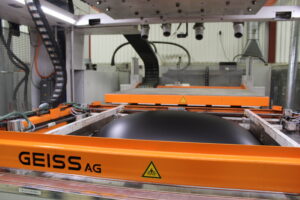
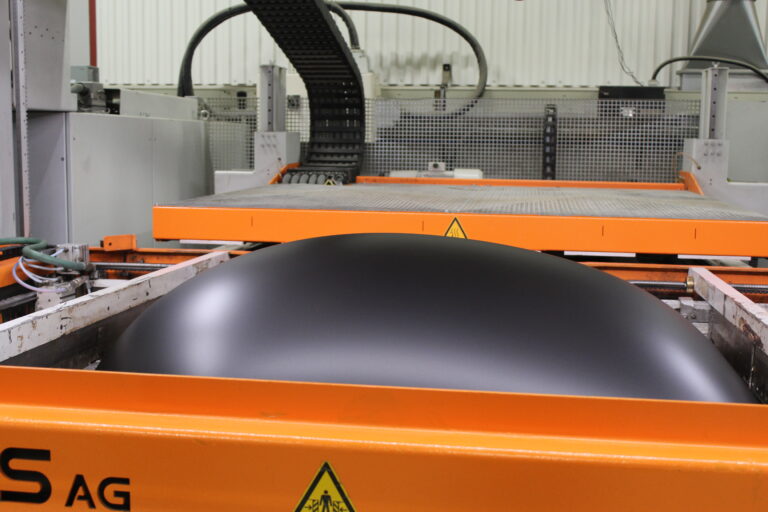
Pre-blowing in a GEISS machine
Vacuum forming

Heat and vacuum form a thermoplastic sheet over a tool. A competitive method, especially for larger products in small and medium-sized production runs.

Read about vacuum forming
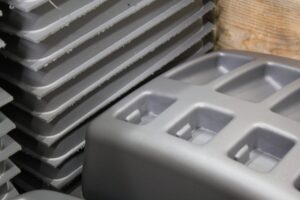
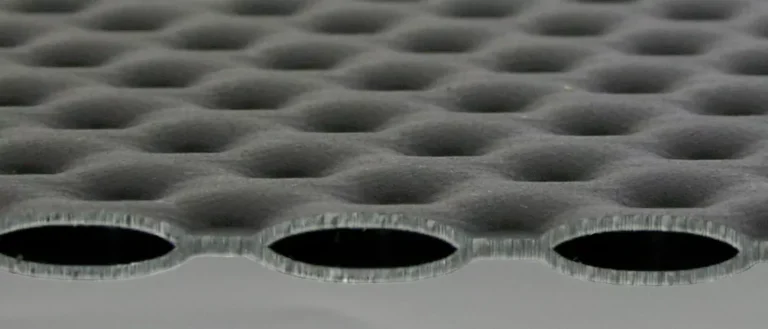
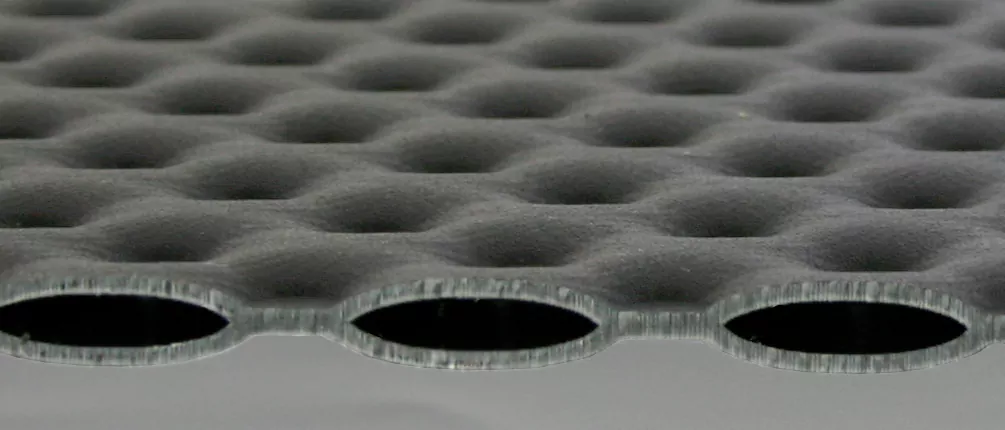
Twin Sheet formed surface with hollow sections
Twin Sheet

Two thermoplastic sheets are formed and welded together in the same process. The result is hollow parts with strength, stiffness and low weight.

Read about Twin Sheet
High Pressure formed plastic components with sharp details
High Pressure

Vacuum forming assisted by compressed air. In addition to the vacuum, compressed air presses the sheet down into the mould. The result matches injection-moulded parts.

Read about High Pressure
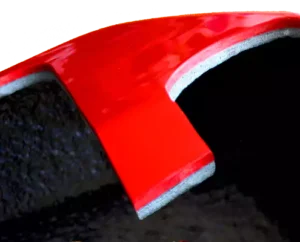
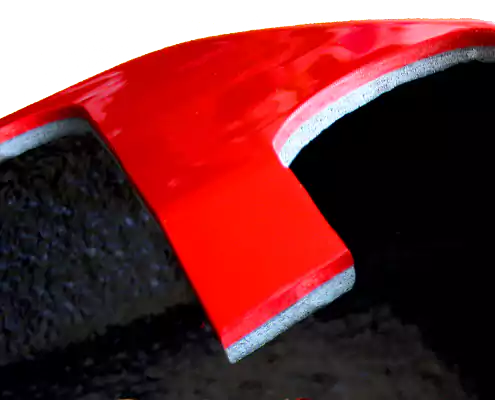
Plastic component reinforced with ORS
ORS

Opido Reinforcement System. Lightweight expanded polyurethane (PUR) is applied in several layers to create light, stable and impact-resistant products.

Read about ORS
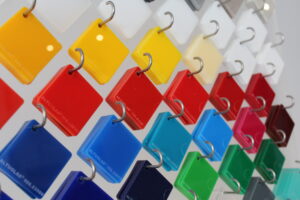
Bent table in purple acrylic
Acrylic

Weather and UV resistant material that, in its clear version, is clearer than glass. We machine it with laser and router, and both heat form and vacuum form it.

Read about acrylic
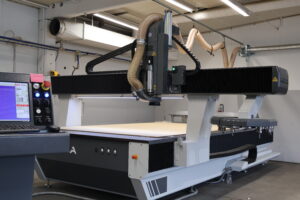
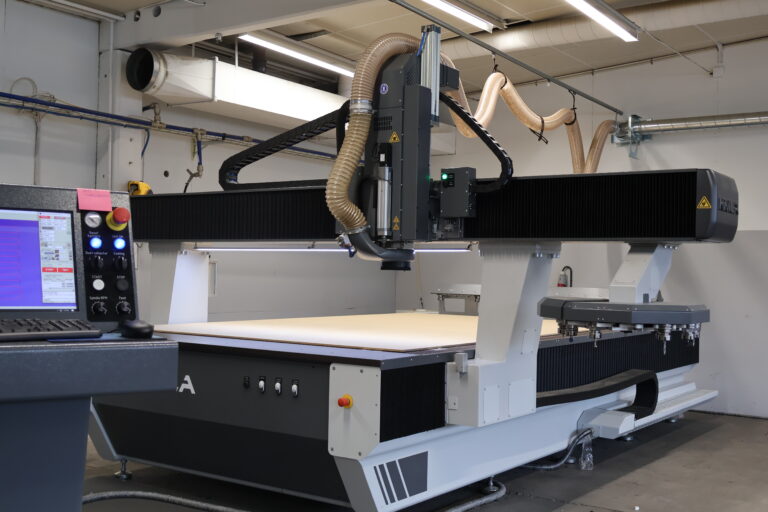
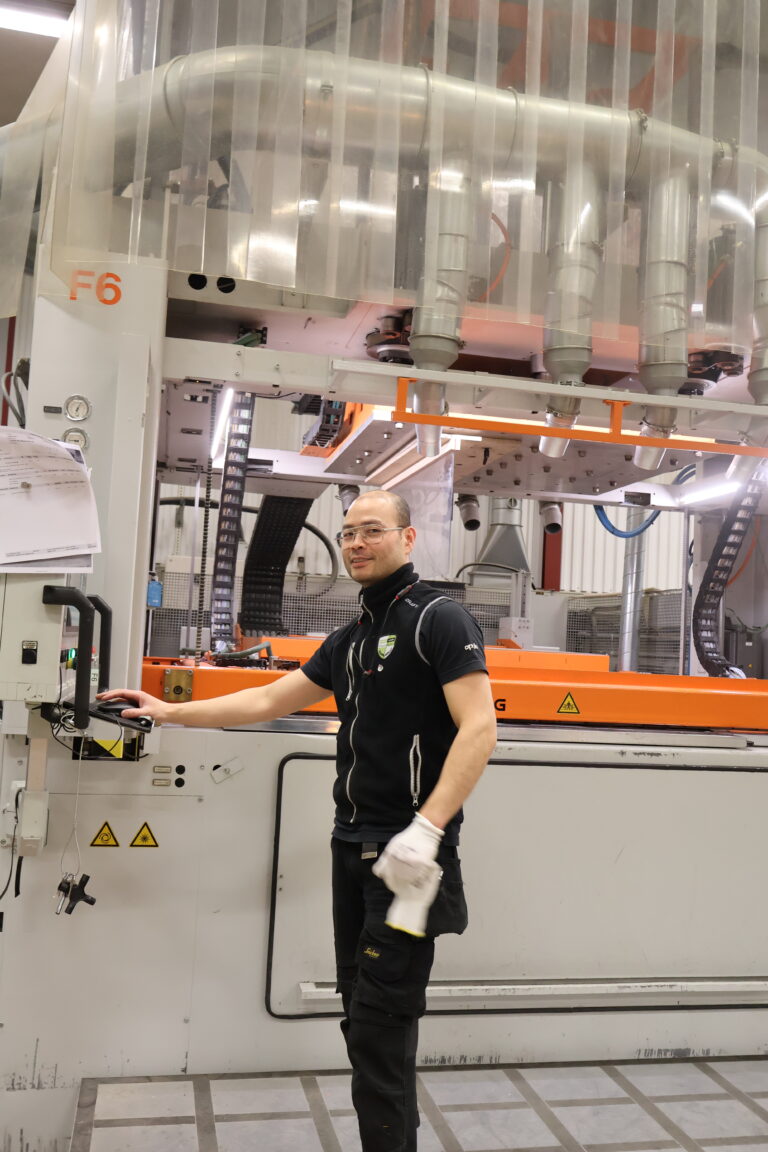
Flatbed router in Opido's production in Lagan
Machining & foam cutting

Engineering plastics and foam are machined in our large flatbed router. We also cut some materials with a knife.

Read about machining
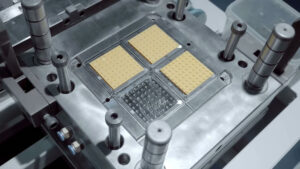
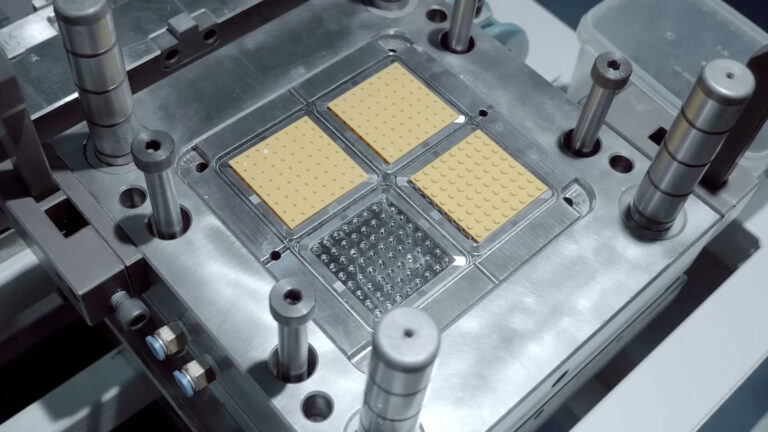
Injection moulding tool with moulded parts
Injection moulding

Molten plastic is injected into a closed tool. Suited to large series of identical parts.

Read about injection moulding
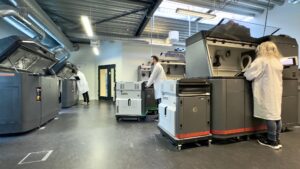
Industrial 3D printers in production
3D printing

Prototypes and small series straight from a 3D file, with no tooling cost.

Read about 3D printing
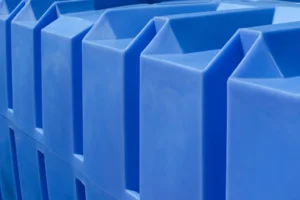
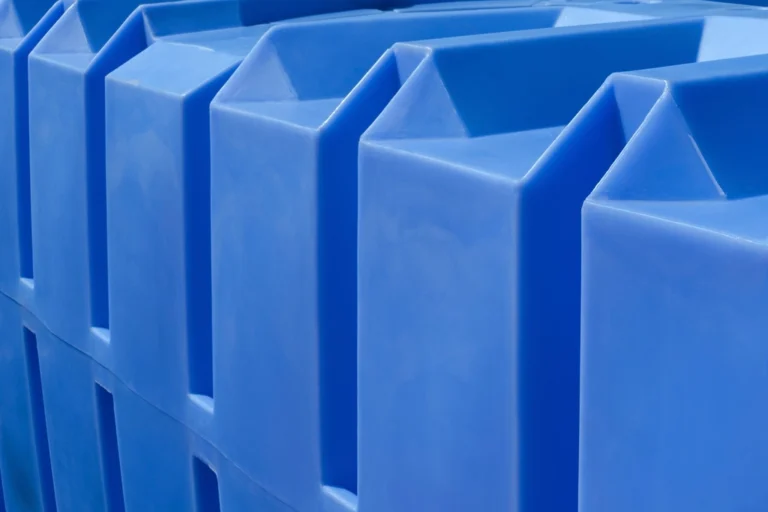
Blue plastic tanks
Rotational moulding

Large, hollow parts in one piece without weld seams, such as tanks and containers.

Read about rotational moulding

Twin Sheet

Two thermoplastic sheets are formed and welded together in the same process. The result is hollow parts with strength, stiffness and low weight.

Twin Sheet formed surface with hollow sections

Twice as good

What is Twin Sheet?

Twin Sheet forming combines vacuum and pressure forming, forming and welding two plastic sheets together in a single process. Twin Sheet requires two separate tools and a special machine.

The technique produces a product with hollow, sealed sections without glue or other fastening techniques. Typical properties are strength, stiffness and low weight, and the parts can also be filled with foam.

How does it work?

The process in four steps

Twin Sheet forming uses heat and vacuum to form two thermoplastic sheets on a tool with two cast half sections.
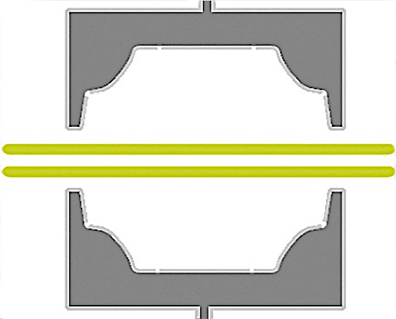
Illustration: the tool is placed in the Twin Sheet machine

Mould tool

The tool is placed in the Twin Sheet machine and the sheets are inserted.
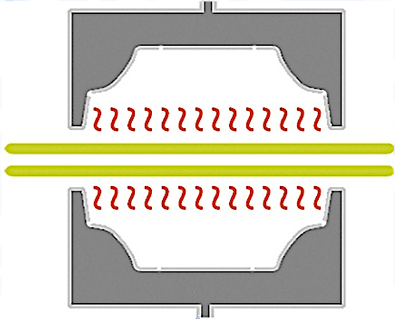
Illustration: the plastic sheets are heated

Heating

The plastic sheets are heated from above and below to 170-210°C.
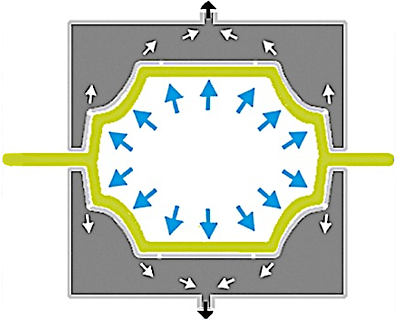
Illustration: the sheets are formed and welded together using vacuum

Vacuum forming

The plastic material is formed in the mould tools using vacuum. The edges are welded together in the same process.
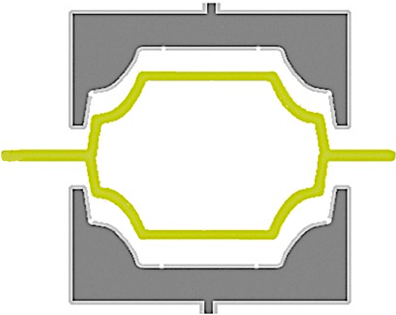
Illustration: the formed part is cooled

Cooling

Once the plastic has been formed, it is cooled and is then ready for finishing.
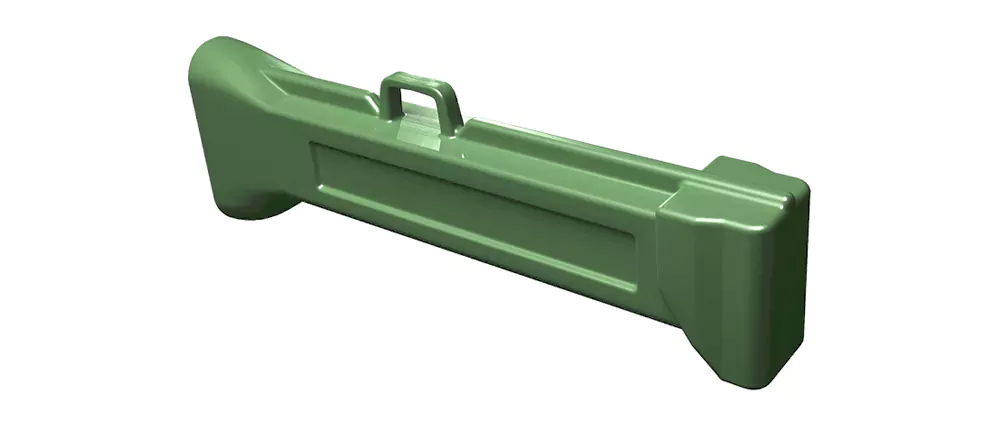
Twin Sheet formed part with handle

The method

A unique method

Twin Sheet is a unique manufacturing technique in which two plastic sheets are heated and formed at the same time to create strong, hollow structures. The result is a light but very durable product, ideal where both strength and low weight are crucial.

The technique offers major advantages over traditional methods, such as increased stiffness and greater design freedom.
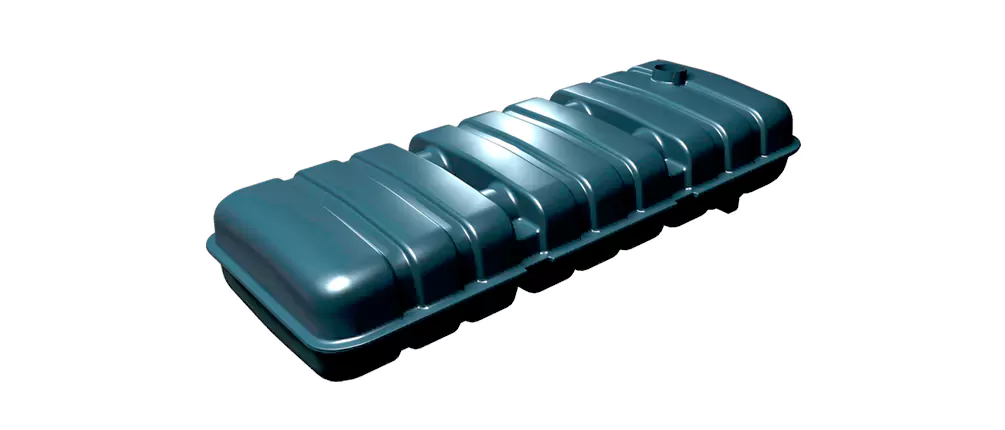
Twin Sheet formed plastic container

Applications

Common applications

Pallets, lids for medical equipment, electrical seals and cabinets, leisure equipment, ventilation products and many different parts for cars, aircraft and trains.

We manufacture customised products with high precision and quality, from prototypes and small series to larger production runs.

More manufacturing methods

Explore our other methods