


Flatbed router and knife
What is machining?
In machining, we mill material away from a solid blank until the part has the right shape. Because we start from standard sheets and rods, no tooling investment is needed, and design changes are made directly in the CAM program.
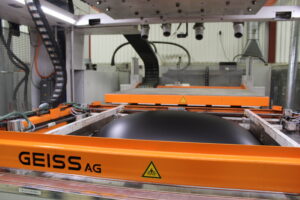
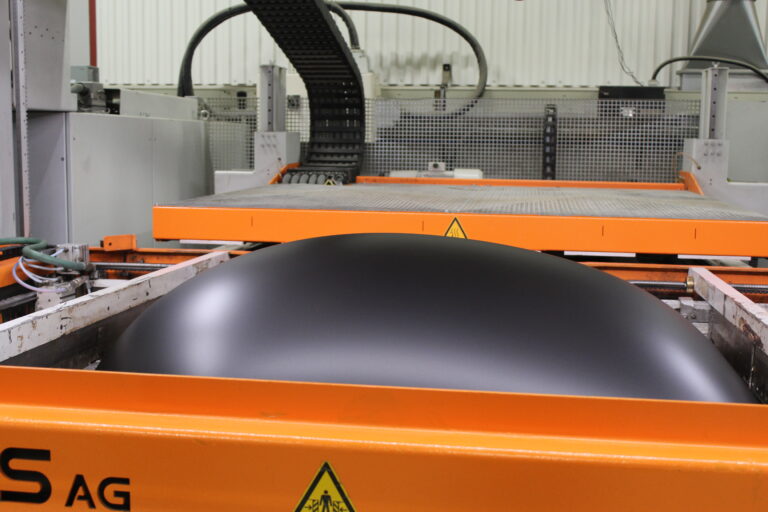
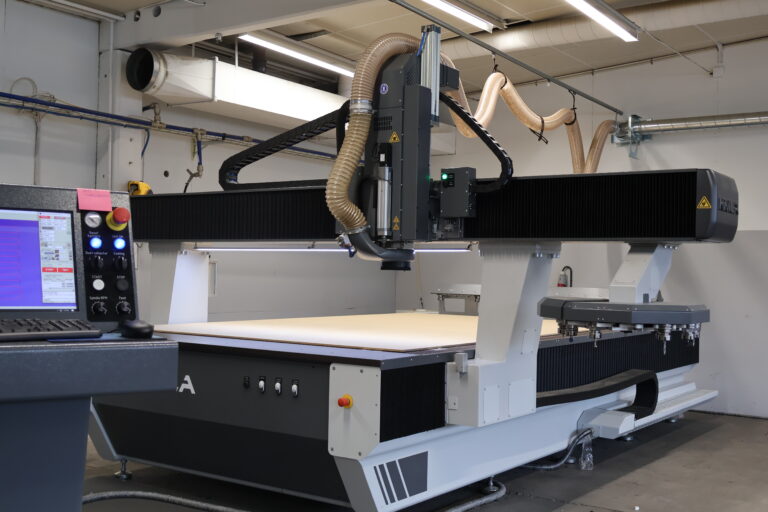
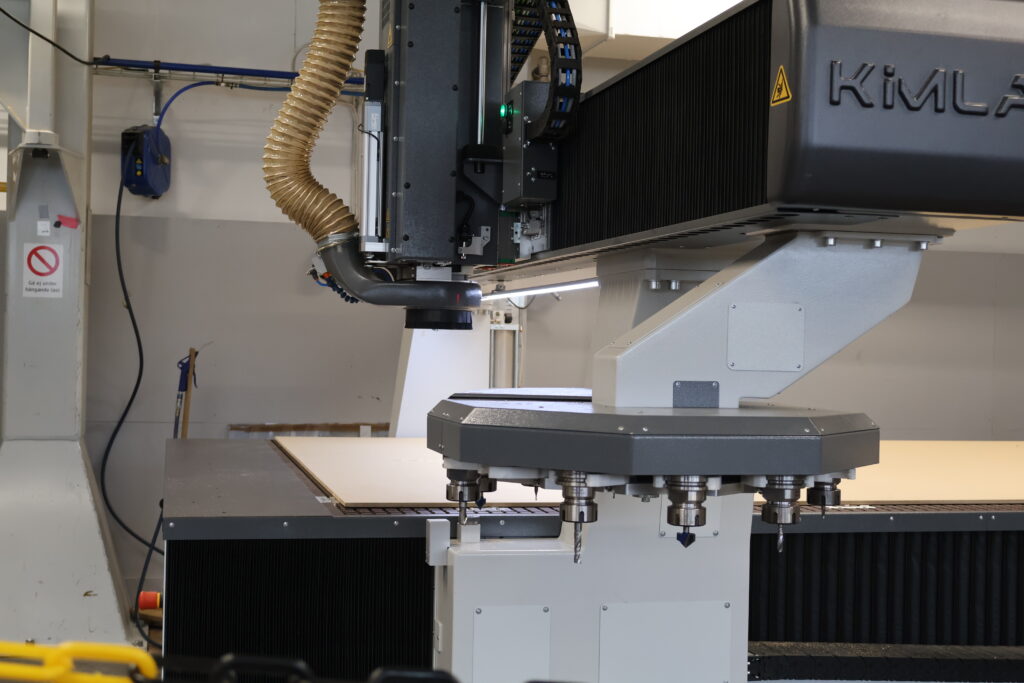
In our large flatbed router we machine both engineering plastics and foam. We also cut some materials with a knife.
How does it work?
From file to finished part
You send the drawing or 3D file, and we take the part all the way from sheet or rod to finished component.

Your files
You send a STEP, IGES or DXF file, or a PDF drawing.

Programming
We create the CAM program and choose the tools and machining sequence.

Milling and cutting
The part is milled in the flatbed router. We also cut some materials with a knife.

Finishing
Bending, welding, bonding, printing and laser engraving, so that you get a finished component.
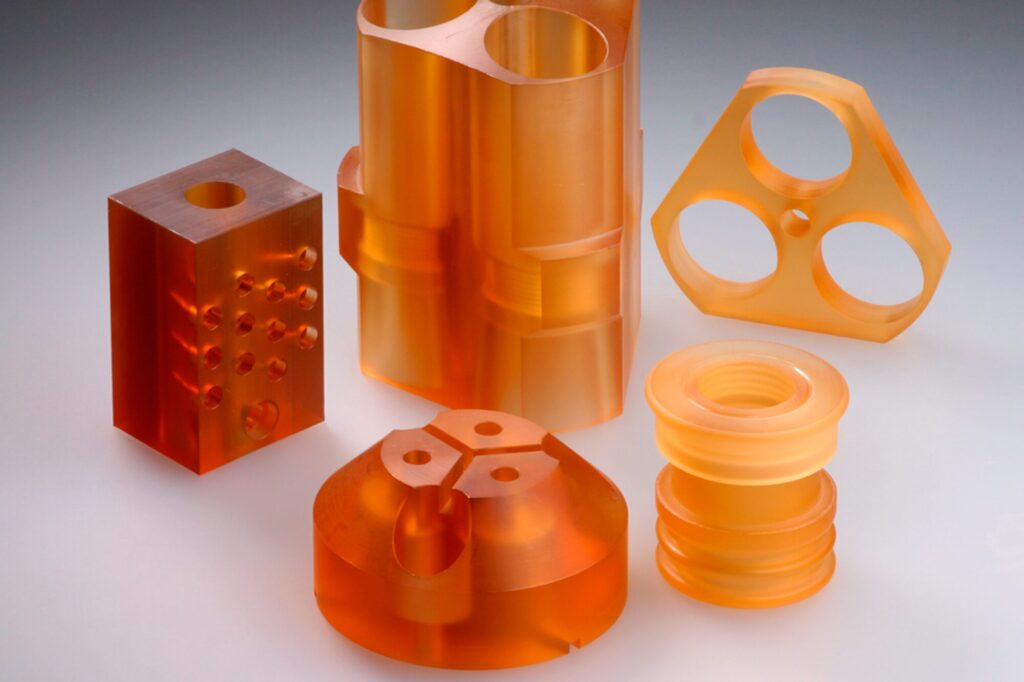
Engineering plastics
Precision without tooling
Machining gives tight tolerances, short lead times and full flexibility. It suits prototypes, small series and parts where injection moulding does not pay off, from single parts up to a few thousand pieces.
CNC: 3 and 5 axis
Tolerances: down to around ± 0.02 mm
File formats: STEP, IGES, DXF and PDF
Materials: POM, PEEK, PA, PTFE, PMMA, PC and ESD-safe grades
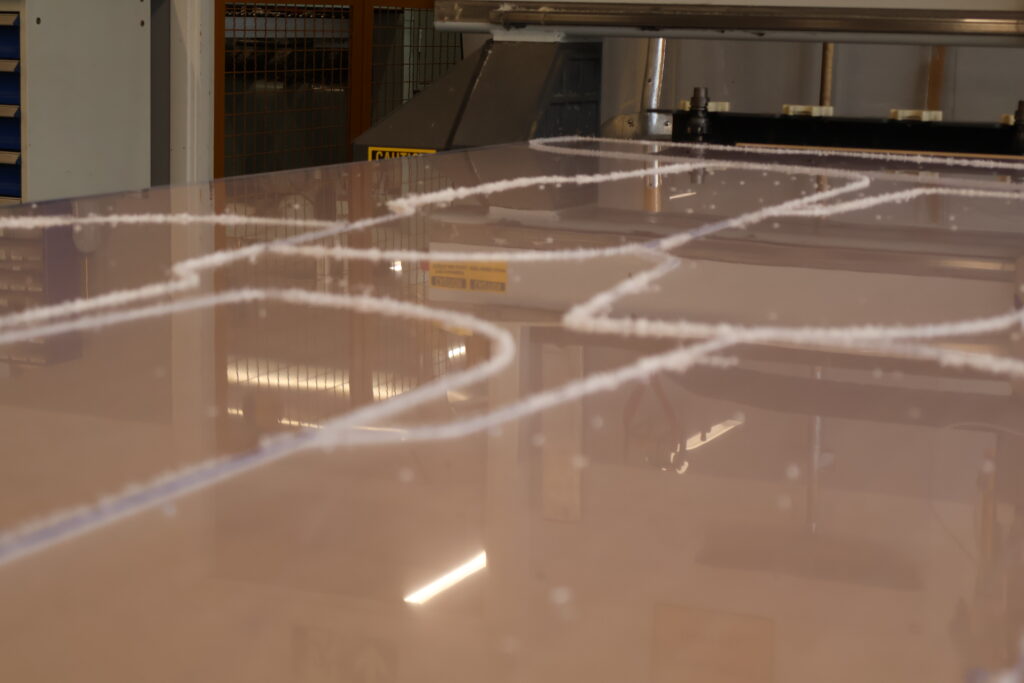
Foam
Flatbed-machined foam parts
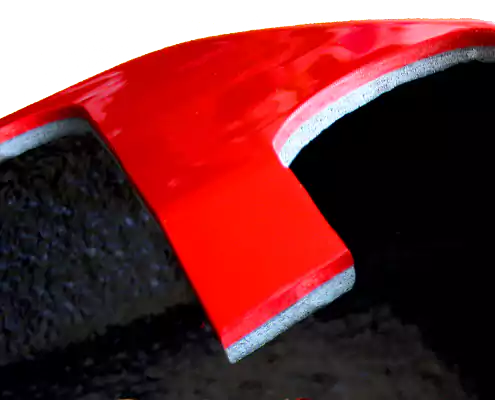
We machine foam in the flatbed router, and we also cut some materials with a knife. This gives exact parts, from single prototypes to series.
We also machine functional prototypes, fixtures and test rigs, as well as mechanical components such as gears, housings, bearing guides and sliding elements in POM, PA and PEEK.
More manufacturing methods
Explore our other methods