


Forming under pressure
What is High Pressure forming?
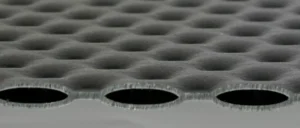
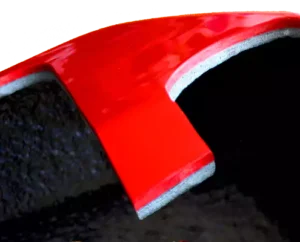
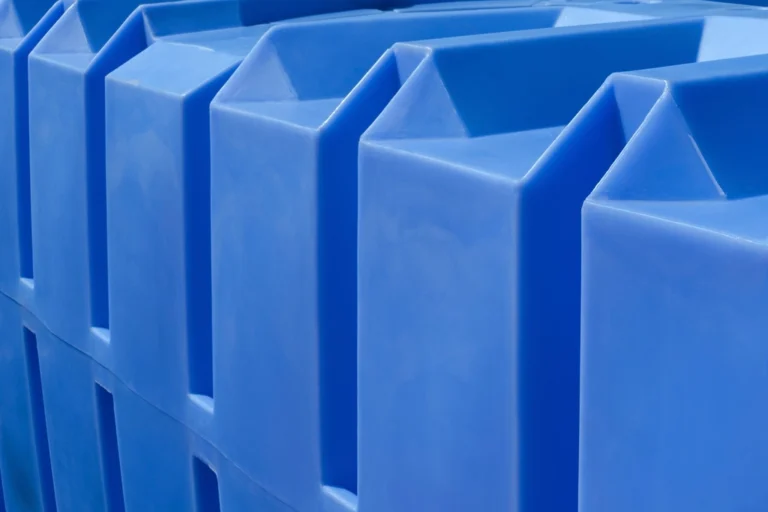
The high-quality results match injection-moulded parts. The method gives an outstanding level of detail and a very high finish, with lower tooling costs and shorter lead times.
The process has a limited environmental footprint, because the material contains no solvents and causes no harmful emissions.
How does it work?
The process in four steps
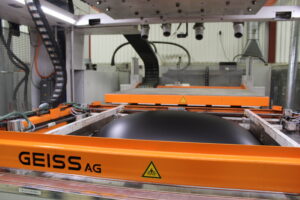
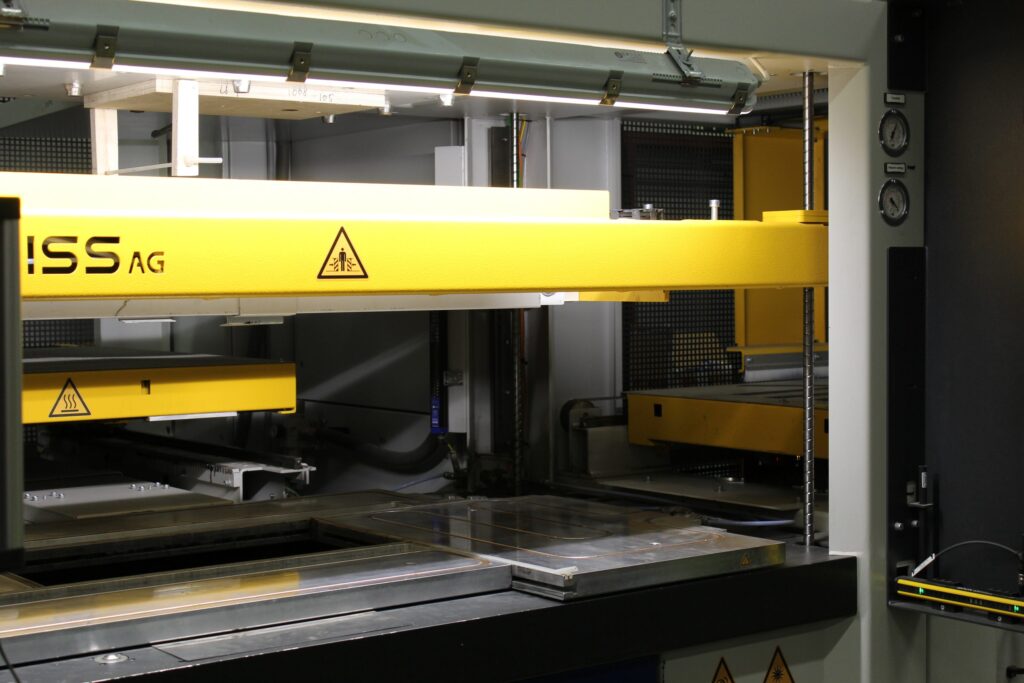
High Pressure forming is vacuum forming assisted by compressed air. A negative tool is placed in the bottom of the machine, and in addition to the vacuum, compressed air presses the preheated thermoplastic sheet down into the mould.
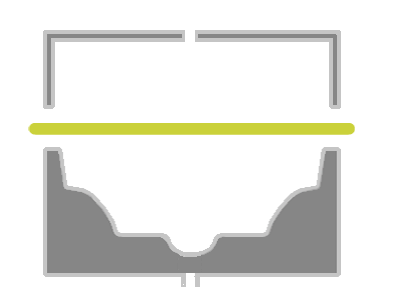
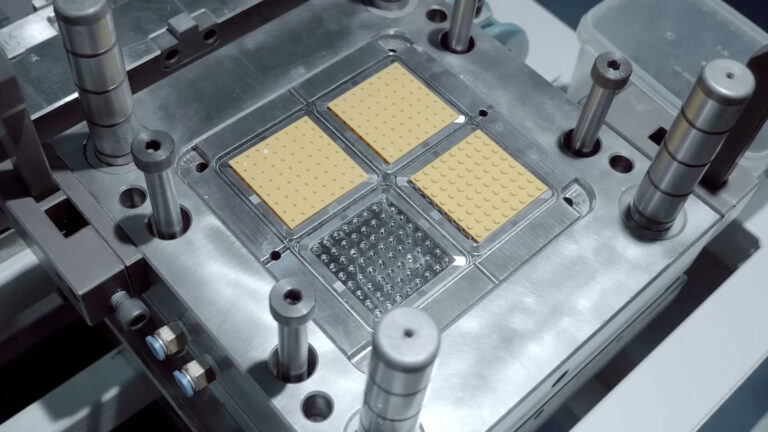
Mould tool
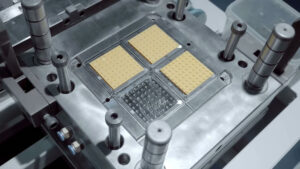
The tool is placed in the machine.
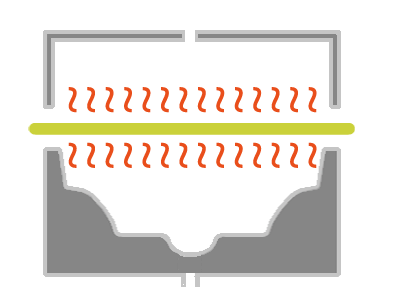
Heating
The sheet to be formed is heated from above and below to 170-210°C.
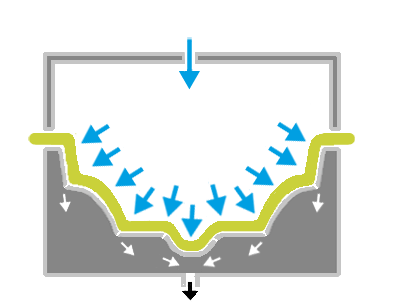
Vacuum and compressed air
In addition to the vacuum, compressed air presses the hot, soft sheet down into the tool.

Cooling
Once the plastic has been formed, it is cooled and is then ready for finishing.
Specialists
Exceptional precision
We are specialists in High Pressure forming, an advanced method that uses high pressure to form plastic material with exceptional precision and richness of detail. The technique is ideal for complex plastic components with high demands on durability and design.
It allows us to manufacture thin, complex plastic components with high structural strength and a fine surface quality.
Applications
Areas of application
High Pressure forming is particularly well suited to products in the medical, electronics and automotive industries, where exact specifications and durable solutions are crucial.
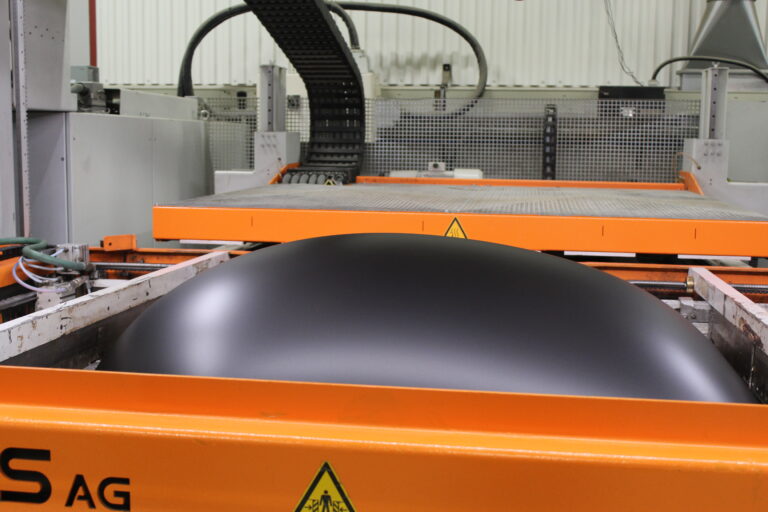
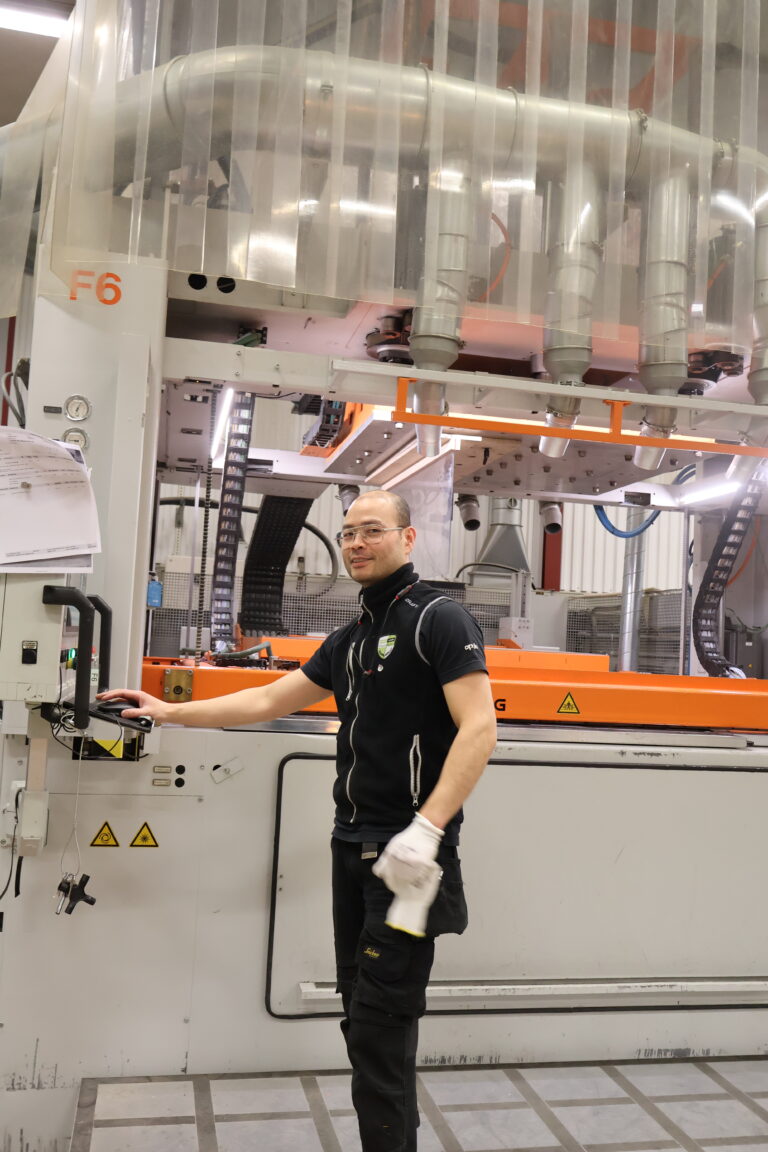
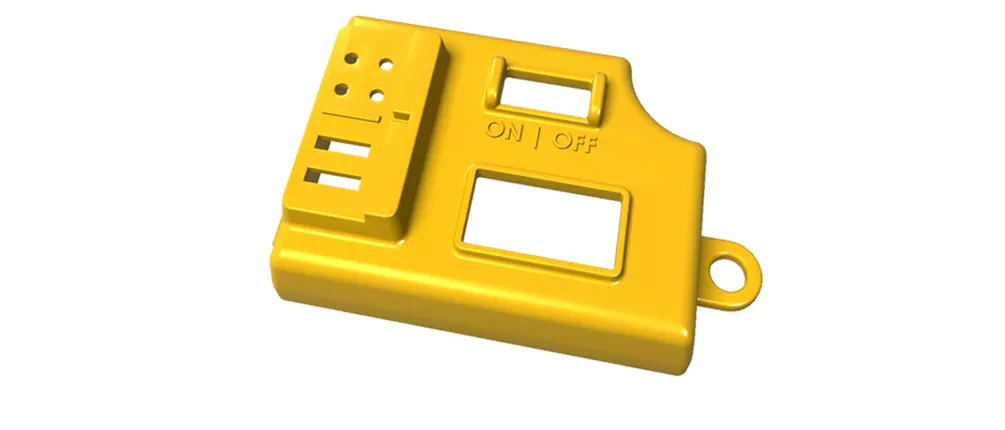
Common applications are medical equipment, lighting, doors, shutters, front panels and components for aircraft, boats, cars and trains. With our modern machinery we produce both small and large series with short lead times.
More manufacturing methods
Explore our other methods