The right method for every part

From prototype to series production. Not sure which method is right? Send us a drawing and we will help you.

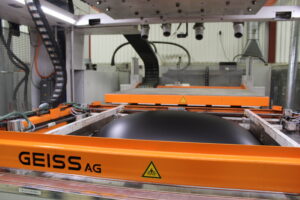
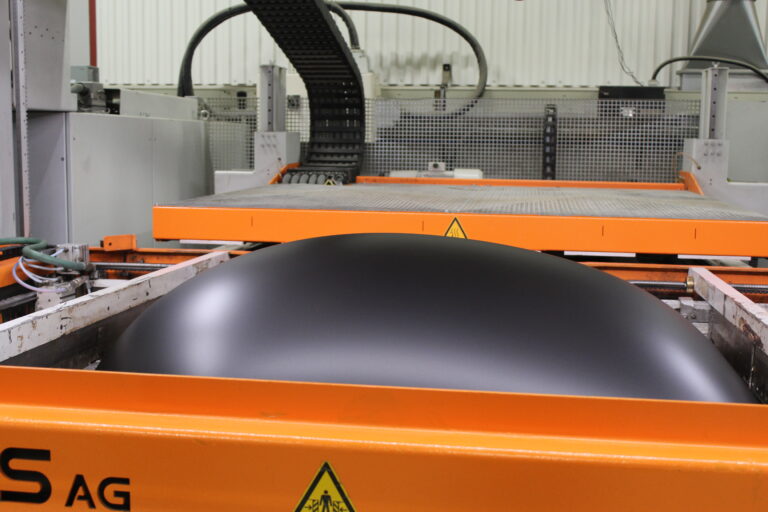
Pre-blowing in a GEISS machine
Vacuum forming

Heat and vacuum form a thermoplastic sheet over a tool. A competitive method, especially for larger products in small and medium-sized production runs.

Read about vacuum forming
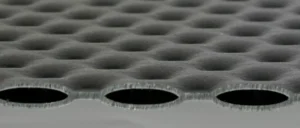
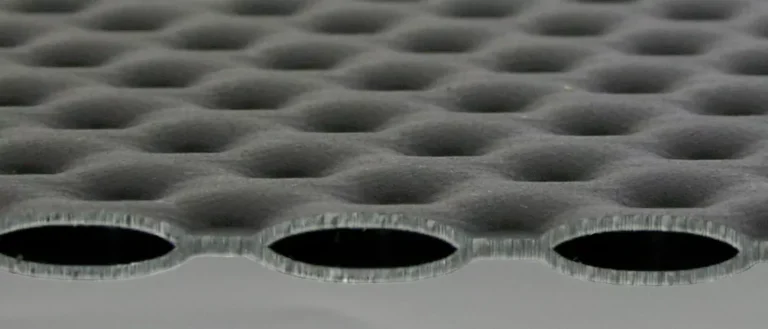
Twin Sheet formed surface with hollow sections
Twin Sheet

Two thermoplastic sheets are formed and welded together in the same process. The result is hollow parts with strength, stiffness and low weight.

Read about Twin Sheet
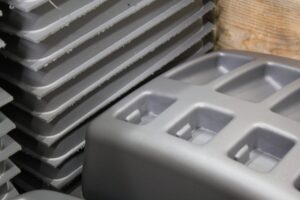
High Pressure formed plastic components with sharp details
High Pressure

Vacuum forming assisted by compressed air. In addition to the vacuum, compressed air presses the sheet down into the mould. The result matches injection-moulded parts.

Read about High Pressure
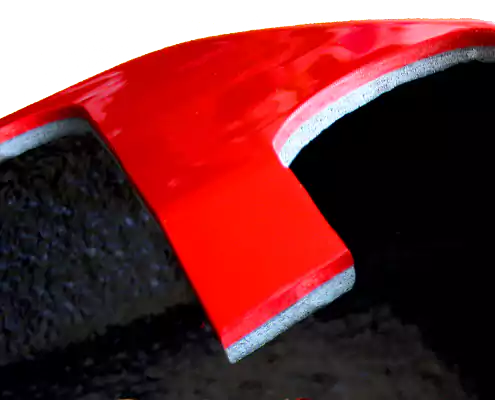
Plastic component reinforced with ORS
ORS

Opido Reinforcement System. Lightweight expanded polyurethane (PUR) is applied in several layers to create light, stable and impact-resistant products.

Read about ORS
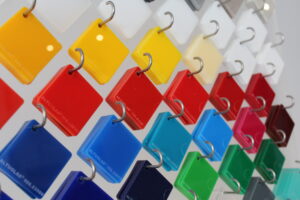
Bent table in purple acrylic
Acrylic

Weather and UV resistant material that, in its clear version, is clearer than glass. We machine it with laser and router, and both heat form and vacuum form it.

Read about acrylic
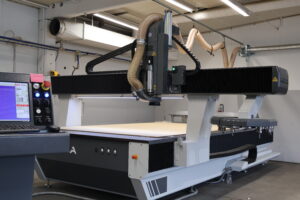
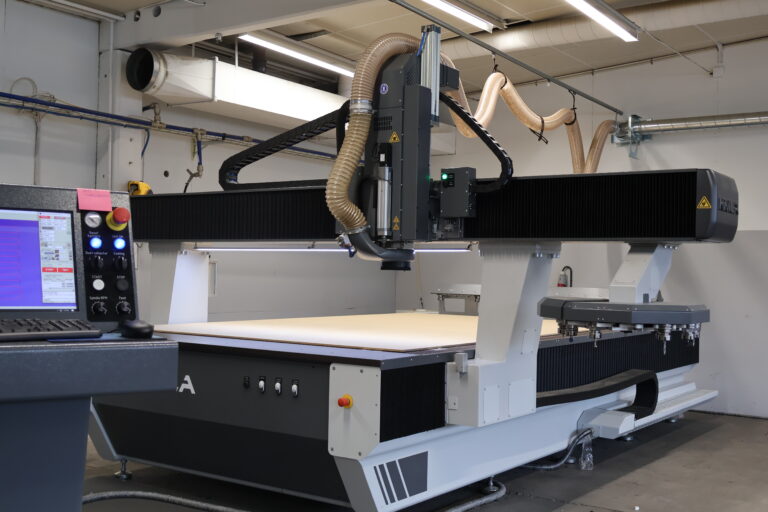
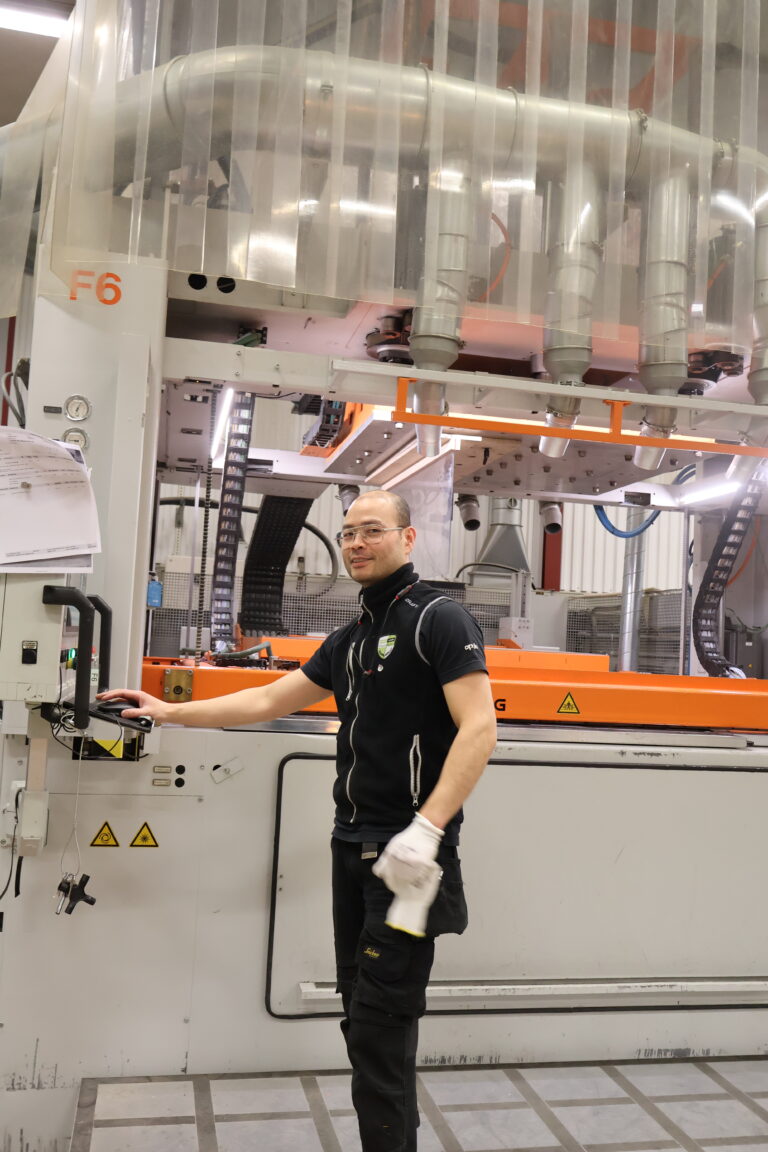
Flatbed router in Opido's production in Lagan
Machining & foam cutting

Engineering plastics and foam are machined in our large flatbed router. We also cut some materials with a knife.

Read about machining
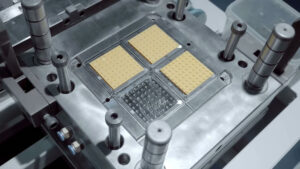
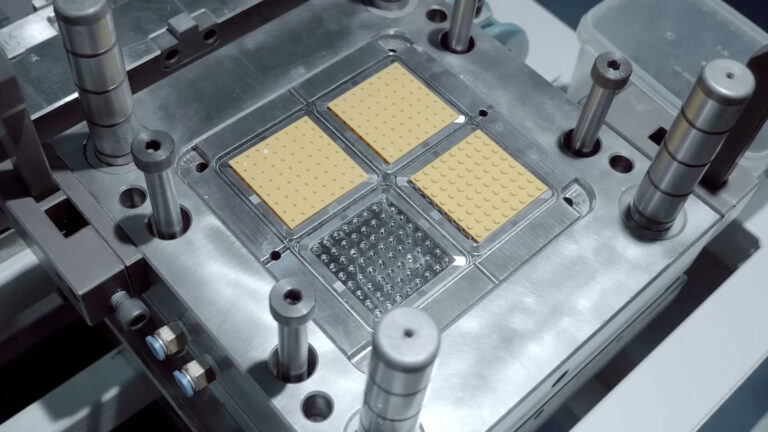
Injection moulding tool with moulded parts
Injection moulding

Molten plastic is injected into a closed tool. Suited to large series of identical parts.

Read about injection moulding
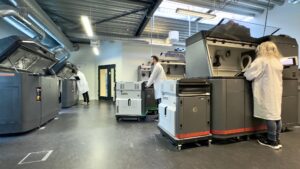
Industrial 3D printers in production
3D printing

Prototypes and small series straight from a 3D file, with no tooling cost.

Read about 3D printing
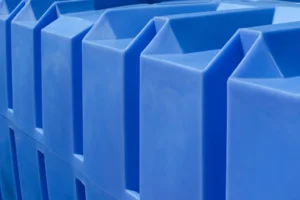
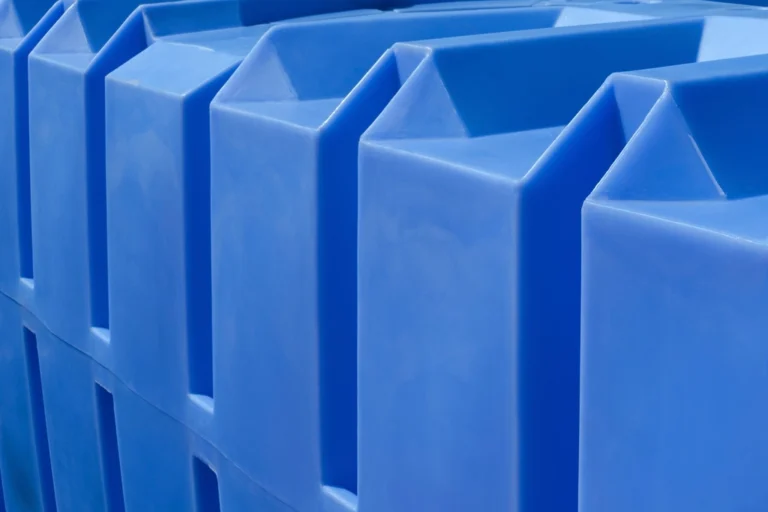
Blue plastic tanks
Rotational moulding

Large, hollow parts in one piece without weld seams, such as tanks and containers.

Read about rotational moulding

ORS - Opido Reinforcement System

Opido Reinforcement System. Lightweight expanded polyurethane (PUR) is applied in several layers to create light, stable and impact-resistant products.

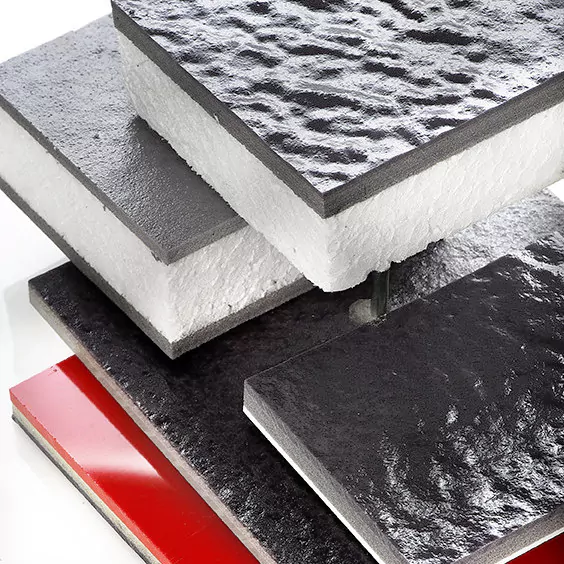
Cross-section of layers of ORS material

Opido Reinforcement System

What is ORS?

With its wide range of applications, the ORS technique is an important complement to our range of possibilities in plastic.

In one of Sweden's most advanced production facilities, we can combine materials and create light, stable and impact-resistant product solutions. The technique is based on lightweight expanded polyurethane (PUR) being applied in several layers to achieve the desired thickness.
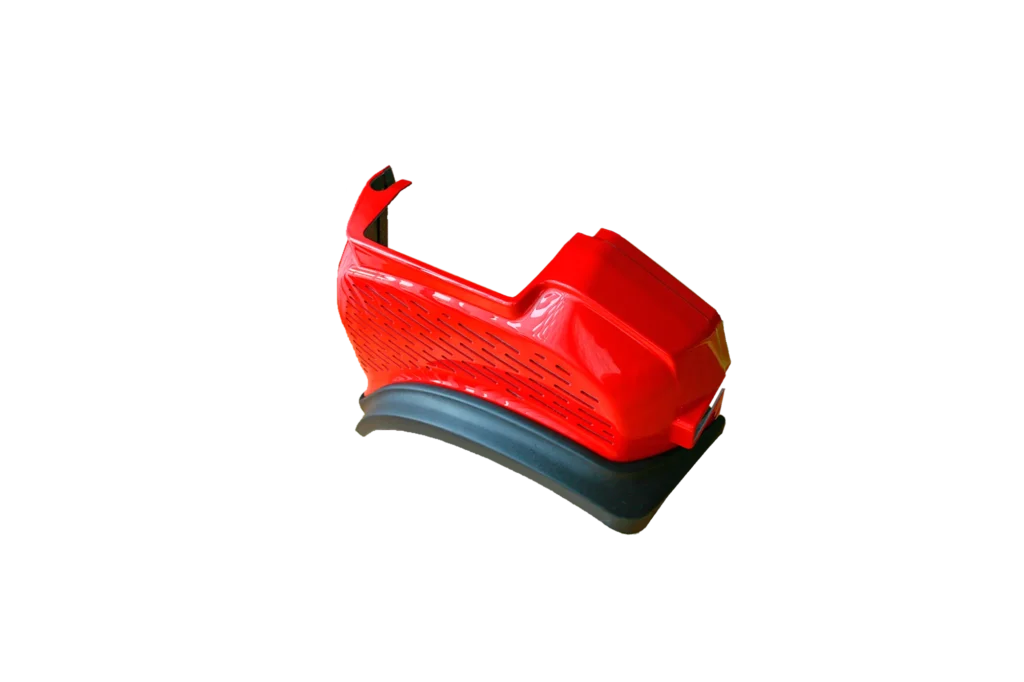
Part with an integrated fixing element in ORS

Strong yet elastic

Fixing elements can be integrated into the material

In this way we can develop insulating sandwich structures that are very useful in many different conditions, where stability and low weight are a crucial combination.

The material can be recycled and is therefore fully in line with our policy of reducing the environmental impact of our operations.
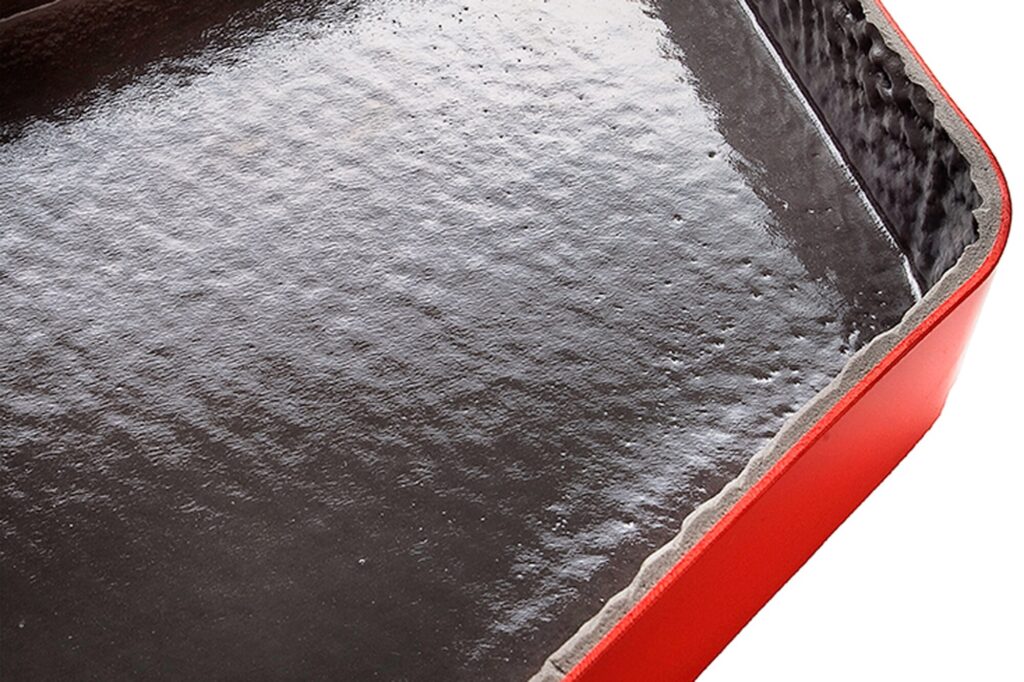
ORS-reinforced plastic component

The technique

Groundbreaking technology

Opido Reinforcement System is a groundbreaking technique for reinforcing plastic designs with durability and strength. With ORS we apply lightweight expanded polyurethane (PUR) in several layers to create light, stable and impact-resistant products.
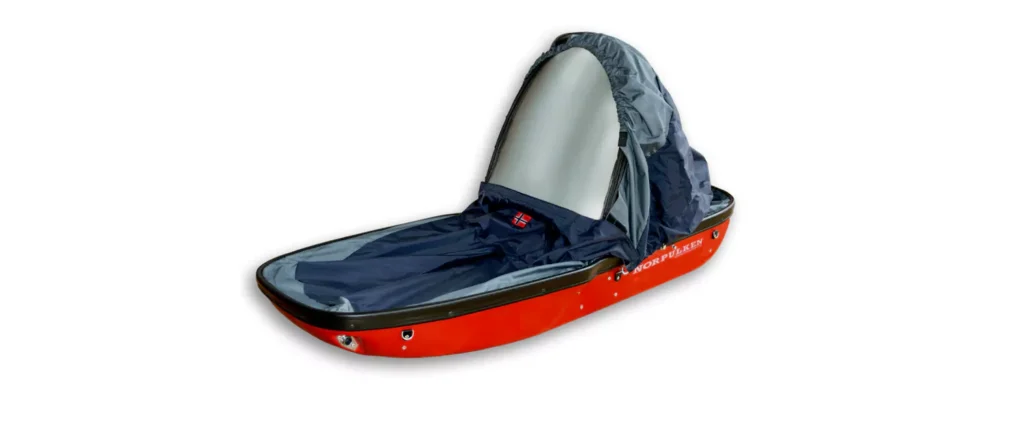
Sledge in formed plastic

Applications

For which products?

Our production facility makes it possible to adapt each product to specific requirements for thickness, weight and strength. ORS is ideal for products that need high impact strength without compromising on weight or design freedom.

The technique is often used in the automotive industry, the construction industry and other areas where robust, light solutions are in demand.

More manufacturing methods

Explore our other methods