




How the methods work
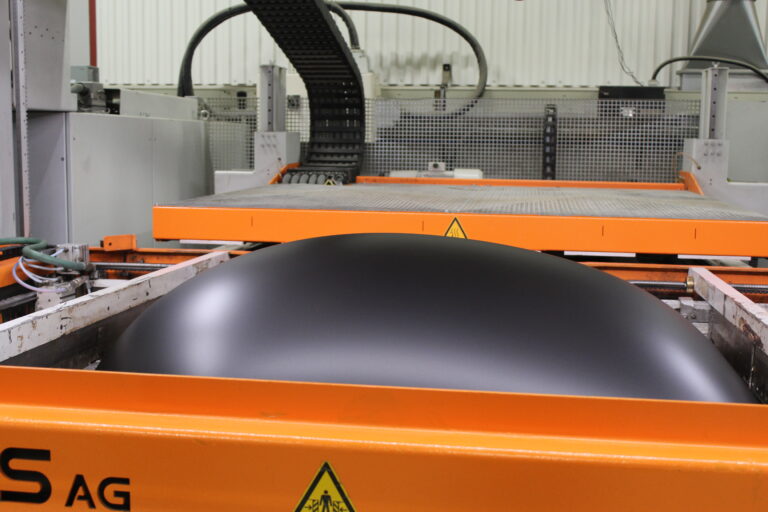
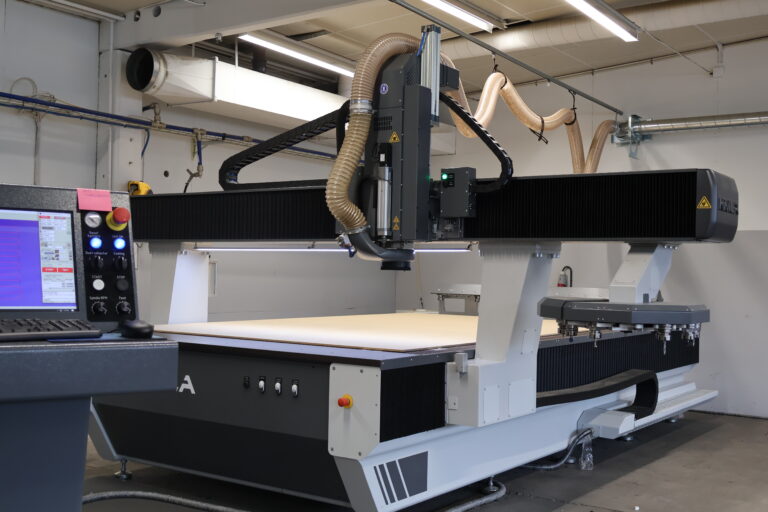
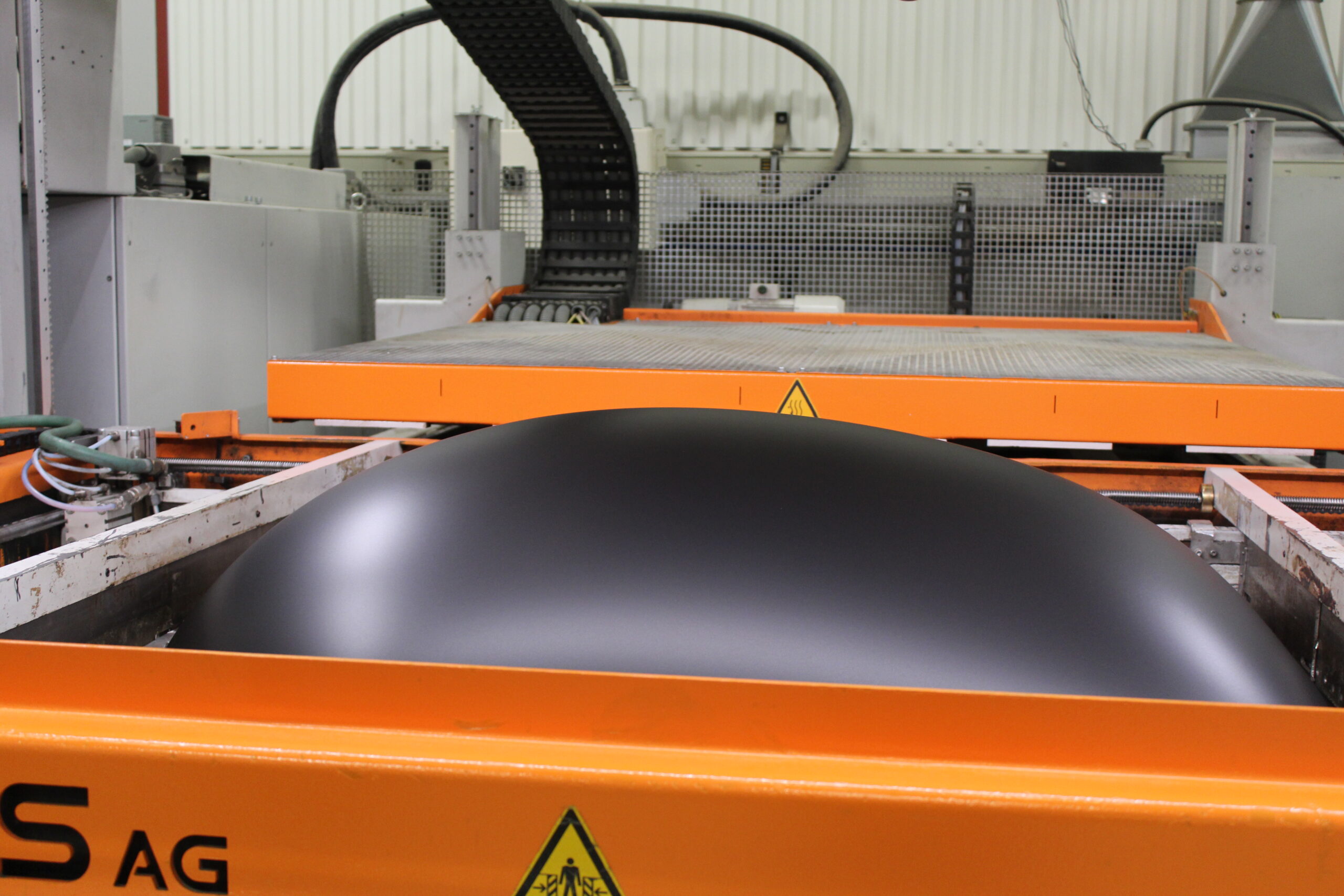
In vacuum forming, a plastic sheet is heated until it becomes soft. It is then drawn down over a tool using vacuum, cooled and takes its shape. Finally, the part is cut out of the sheet, often in a CNC router. The tool has only one side, which makes it simpler and cheaper to produce.
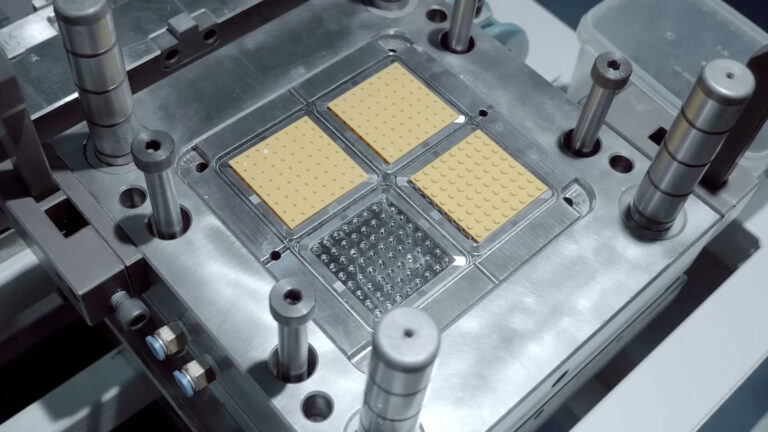
In injection moulding, plastic granules are melted and injected under high pressure into a closed tool consisting of two halves. Once the plastic has solidified, the tool opens and the part is ejected. The tool is expensive and takes time to make, but once it exists, each part can be produced very quickly.
Comparison point by point
| Vacuum forming | Injection moulding | |
|---|---|---|
| Tool | Single-sided, lower cost and shorter time to produce | Two-part tool, high cost and longer time to produce |
| Series size | Small and medium-sized series | Large series |
| Part size | Very large parts too, such as covers and panels | Limited by the size of the machine and the tool |
| Wall thickness | Varies slightly, thinnest in deep corners | Even and controlled throughout the part |
| Changes | The tool can often be adjusted | Changes to the tool are expensive |
Not sure which method is right?
Send us a drawing or a sketch and we will help you choose the method and material.
When vacuum forming pays off
Vacuum forming is often the best choice when the part is large and the series is too small for an injection moulding tool to pay for itself. Typical examples are covers for machines and vehicles, panels, trays and displays.
The method is also a good fit when the product is still being developed. Because the tool is simpler, it is quicker to get from drawing to finished part, and it is easier to make changes along the way. Read more about vacuum forming.
When injection moulding pays off
Injection moulding suits small, complex parts that are to be manufactured in large volumes year after year. These can be parts with snap fits, screw bosses or exact dimensions on both sides. The high tooling cost is then spread over so many units that the unit price becomes low.
A common approach is to start with vacuum forming when a new product is launched and only switch to injection moulding once the volumes are known and large enough.
Checklist before you request a quote
The more information you send, the faster and more accurate the quote will be.
- Drawing or 3D file, or a sketch with the most important dimensions
- Approximate quantity per year and per delivery
- Preferences for material, colour and surface
- Where the part will be fitted and what it must withstand, such as heat, cold, UV light or impact
- Which side of the part is visible and needs to look good
Frequently asked questions
Yes. It is common to start with vacuum forming and switch to injection moulding when the volumes justify a more expensive tool. The part then often needs to be redesigned slightly to suit the new method.
It depends on the volume. Add up the tool plus the unit price over the whole life of the product. For small and medium-sized series, vacuum forming often wins, and for very large series, injection moulding.
A drawing, 3D file or sketch with dimensions, the approximate quantity and what the part will be used for are enough to get started.